
 By Automotto
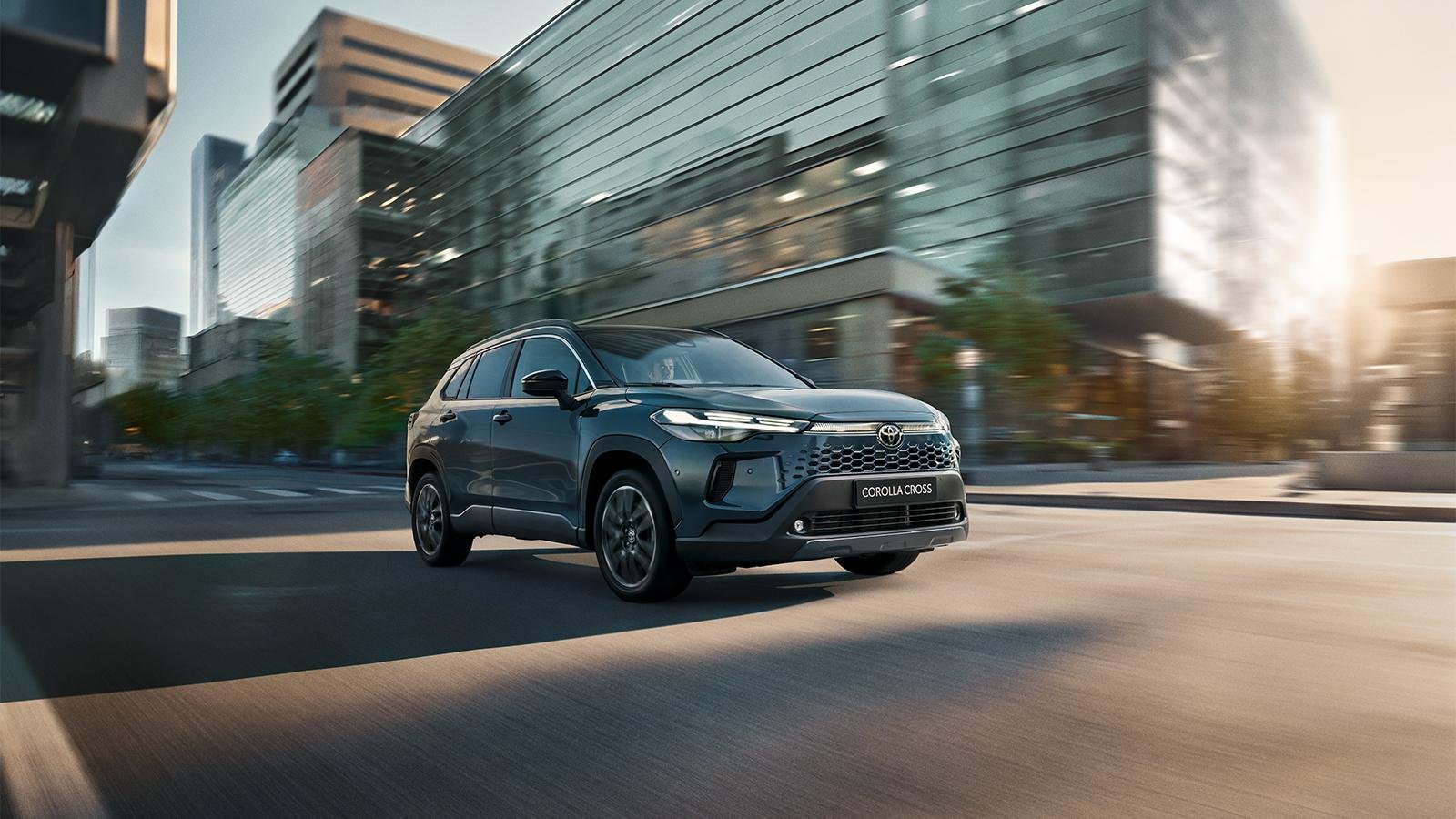
It’s time we finally stopped treating the crossover as a body style like some awkward compromise nobody quite committed to. For years, crossovers got saddled with a reputation as the automotive equivalent of a participation trophy — not a real hatchback, not a real SUV, just something manufacturers built because they couldn’t decide what else to call it. Honestly, that reputation never made much sense, and the numbers coming out of 2026 make it even harder to keep defending. This isn’t a fringe automotive trend — the crossover as a body style has quietly become the default choice for millions of buyers worldwide.
So, What Actually Is a Crossover?
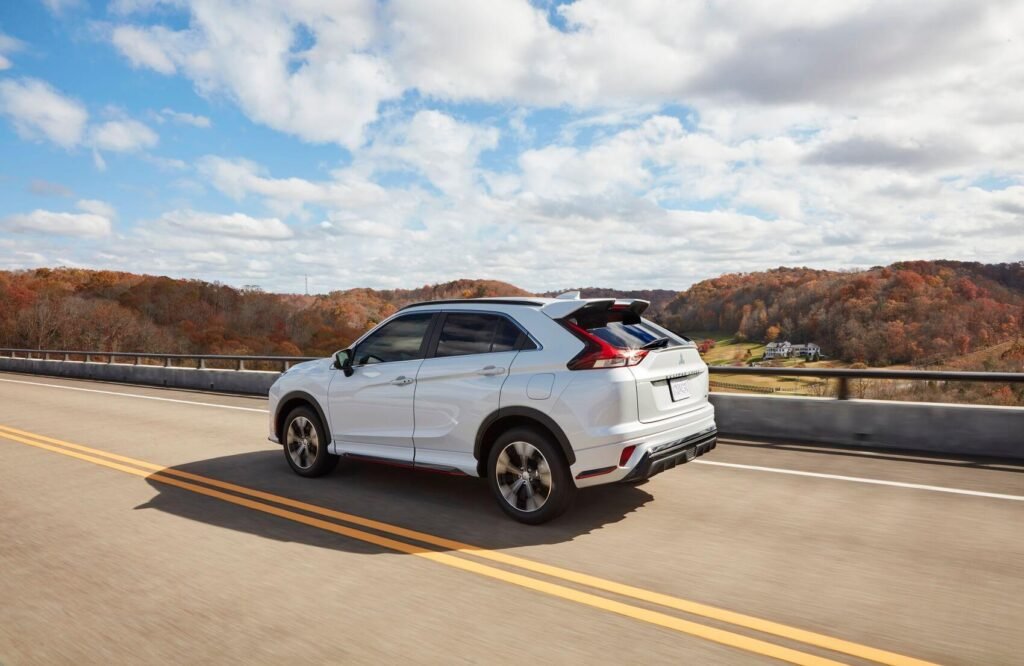
Strip away the marketing and it’s fairly simple: a crossover is built on a unibody car platform rather than a traditional body-on-frame SUV chassis, then raised up with a taller ride height, some extra ground clearance, and a bit of rugged styling — black wheel arch cladding, roof rails, maybe a skid plate accent — to look tougher than the hatchback or sedan it’s usually based on underneath. Understanding what the crossover as a body style actually is helps explain why it got dismissed for so long
That description alone is probably why the crossover body style spent so long getting dismissed. Enthusiasts wanted “real” SUVs with body-on-frame toughness and proper low-range gearing. Sedan loyalists rolled their eyes at crossovers as bloated hatchbacks playing dress-up. Somehow, a vehicle designed to genuinely split the difference between the two ended up belonging to neither camp, at least in people’s minds.
The Crossover Body Style Has Already Won
Here’s the part that’s genuinely hard to argue with in 2026: the crossover body style isn’t some fringe category anymore, it’s the dominant shape globally. As Fortune Business Insights reports, the crossover vehicles market was valued at roughly $0.79 trillion in 2025 and is projected to climb to $1.38 trillion by 2034. That’s not a niche corner of the industry — that’s practically the entire auto world reorganizing itself around this one shape.
The subcompact crossover specifically has become massive outside North America too. Back in 2018, this segment already made up 75% of total SUV sales in India, 69% in Brazil, and 37% in Europe — and those numbers have only kept climbing since. Cars like the Tata Punch, Hyundai Exter, Renault Kwid, and Hyundai Casper have built entire sales strategies around exactly this formula: hatchback-level practicality wrapped in SUV-styled confidence.
Even luxury brands that used to treat the crossover body style as an afterthought are now building lineups around it. BMW’s upcoming iX4, an all-electric D-segment crossover launching from 2026, is a clear signal that even premium manufacturers see this body style as where the real engineering investment belongs now.
Why This Body Style Makes Sense
Strip away the old stigma and the crossover body style’s pitch is genuinely hard to beat for how most people drive day to day. You get a higher seating position and better visibility than a sedan or hatchback, without the fuel economy penalty and steeper price tag that comes with a full body-on-frame SUV. You get more cargo room and a commanding presence on the road, without needing low-range four-wheel drive that most owners were never going to use off-road anyway.
For crowded, unpredictable roads — Indian city traffic, tight European streets, unpaved rural stretches — the crossover as a body style’s blend of ground clearance and car-like manageability might genuinely be the most practical choice you can buy right now. It’s not a compromise born out of indecision. It’s just the right answer for most people.
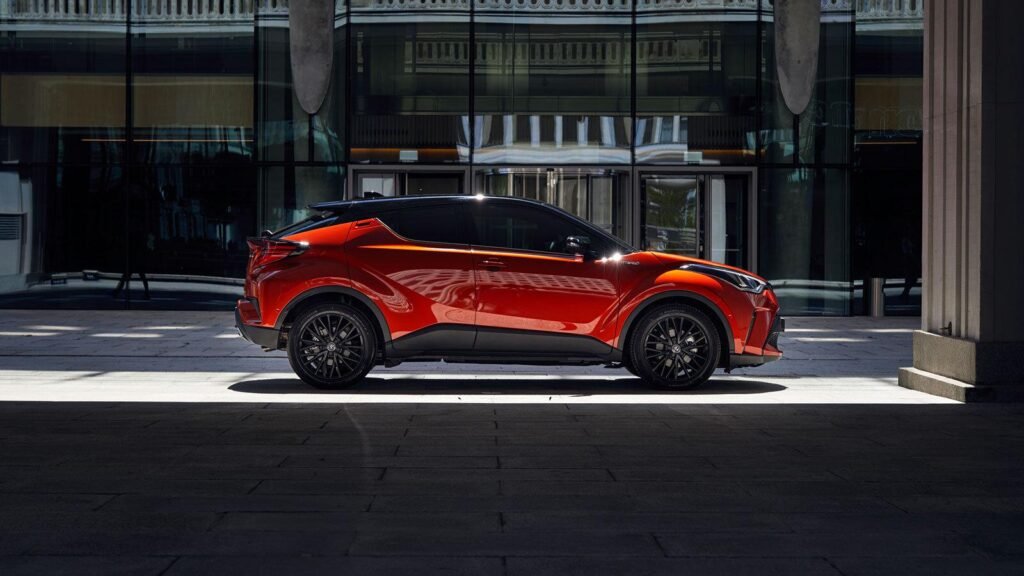
Crossover vs Sedan vs Traditional SUV vs Hatchback
Here’s how the crossover as a body style stacks up against the alternatives
| Hatchback | Sedan | Crossover | Traditional SUV | |
|---|---|---|---|---|
| Platform | Unibody | Unibody | Unibody (car-based) | Body-on-frame |
| Ground clearance | Low | Low | Medium-high | High |
| Fuel efficiency | Best | Good | Good | Lower |
| Off-road capability | Minimal | Minimal | Limited | Strong |
| Everyday practicality | High | Moderate | Very high | Moderate |
| Price positioning | Budget-friendly | Mid-range | Budget to premium | Higher |
The Real Reason This Shift Is Happening
A lot of this comes down to a quiet change in what people want from a car. Most buyers don’t need something built for genuine off-roading — they want a vehicle that looks capable, sits high enough to feel confident in traffic, and still drives like a normal car on an ordinary Tuesday. The crossover as a body style isn’t failing to be an SUV. It’s succeeding at being exactly what most drivers actually need. The crossover as a body style’s rise isn’t an accident — it reflects exactly what modern drivers prioritize.
Manufacturers have caught on. Instead of treating the crossover as a body style as a stopgap trim level, companies are designing dedicated crossover platforms from scratch — the Soueast S06, the Lada Azimut, the Chery Tiggo 5, and a long list of others arriving around 2026 as purpose-built crossovers, not hatchbacks with a lift kit bolted on. If you’re weighing this against a traditional SUV, the crossover body style is increasingly the more practical middle ground for daily driving.
So, Does the Crossover Body Style Finally Deserve Its Own Seat at the Table?
Genuinely, yes. Calling it a “watered-down SUV” or an “inflated hatchback” misses what’s actually happening here. It’s not diluting either category — it’s quietly making the choice between them unnecessary for most people. A body style commanding trillion-dollar global projections and reshaping how nearly every major manufacturer plans their next decade has clearly earned its own category, not an asterisk tacked onto something else.
The crossover as a body style was never the car that couldn’t decide what it wanted to be. It’s the car that figured out what most drivers actually wanted, years before the rest of the industry caught up. The crossover as a body style isn’t going anywhere — if anything, it’s just getting started.
FAQs
What’s the difference between a crossover and an SUV? A crossover is built on a unibody car platform, while a traditional SUV uses a body-on-frame chassis originally designed for off-road or heavy-duty use. The crossover body style prioritizes everyday drivability and efficiency; SUVs prioritize ruggedness and towing capability.
Are crossovers good for off-roading? Generally, no — the crossover body style has limited off-road capability compared to traditional body-on-frame SUVs, since it lacks low-range gearing and the same structural toughness.
Is the crossover as a body style expected to keep growing? Yes. The global crossover vehicles market is projected to grow to $1.38 trillion by 2034, with even luxury brands building dedicated crossover platforms.