
 By Automotto
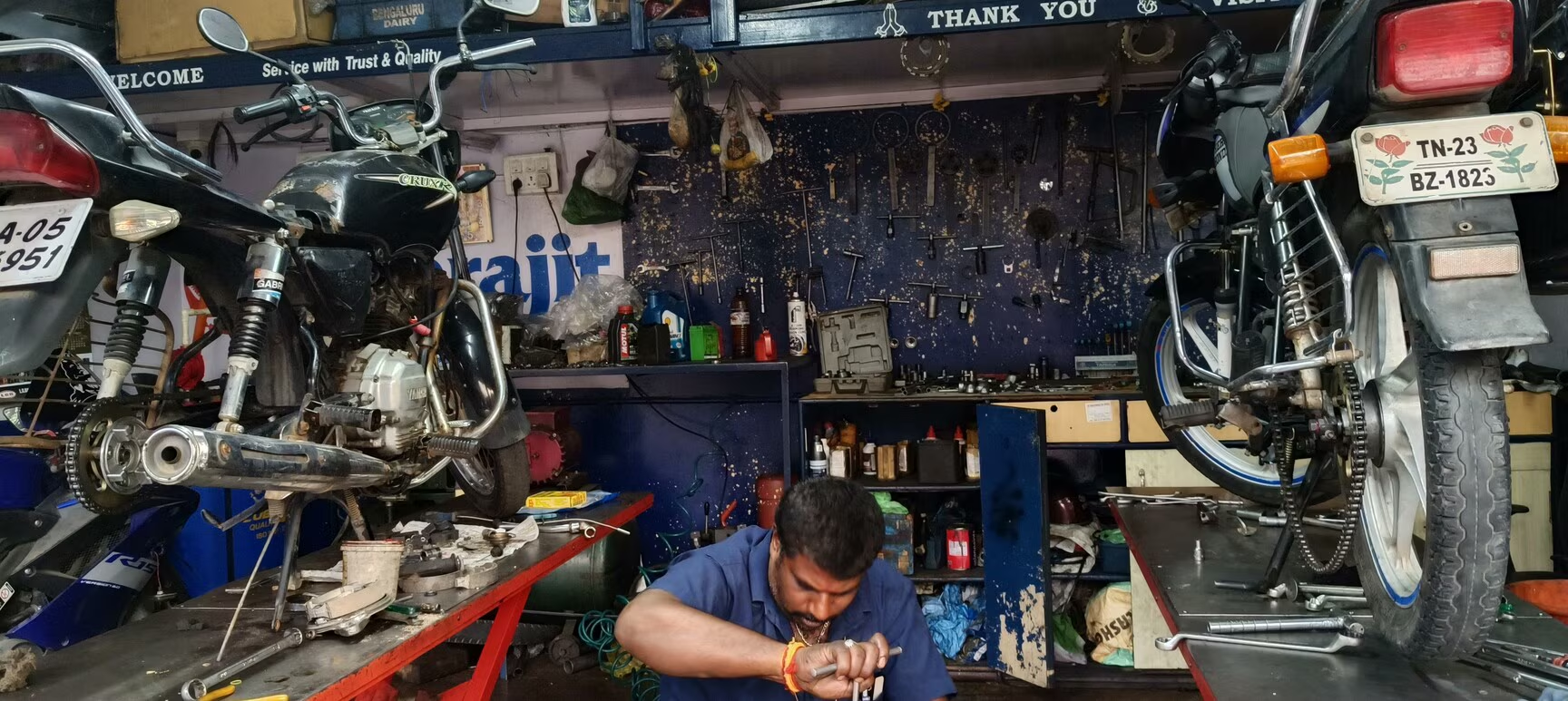
Ask any bike or scooter owner in India about their last service visit, and you’ll usually get a story. A two-hour job that took the whole day. A problem that “got fixed” and came back a week later. A bill with a few extra items nobody explained. Two-wheeler service quality in India has become one of those things riders just put up with, and that needs to change.
The bikes have got better, faster, and far more complicated. The service experience hasn’t kept pace. two-wheeler service quality In india.
What the Data Says About Two-Wheeler Service Quality in India
Start with the machines themselves. According to JD Power’s 2026 India Two-Wheeler Initial Quality Study, new owners reported more problems this year than last, up by 8 problems per 100 vehicles. Most of the rise came from engine issues and from connectivity and mobile app problems.
The same study found that the median distance riders cover each day rose from 30km to 35km. Put those two facts together and the picture is clear. Bikes are being ridden harder and more often, and they’re packing more tech that can go wrong. As a result, more people are walking into service centres, and more is riding on how well those centres do their job.
Why Service Quality Matters More Than Ever
A two-wheeler isn’t a luxury for most Indian families. It’s the daily commute, the delivery job, the trip to the market. When it’s stuck at a workshop, someone loses a day of work or a day of income. That’s why two-wheeler service quality in India affects far more than the bike itself.
There’s a bigger reason too. Service is where a brand’s promise is either kept or broken. A rider might love a bike for years and still switch brands after two bad service visits. Strong service builds loyalty, resale value and word of mouth, and weak service quietly destroys all three.
Where Two-Wheeler Service Quality in India Falls Short
None of this applies to every dealer, and plenty of service centres do a good job. However, the same five complaints come up so often that they’re hard to dismiss as one-offs. Each of them chips away at two-wheeler service quality in India, one visit at a time.
1. Long waits and unclear timelines. Owners often drop a bike off with a vague “by evening” and then chase for updates. A clear slot and a realistic completion time should be standard, not a bonus.
2. Bills that don’t add up. Many riders say they aren’t sure what was actually done or why. Vague job cards make it easy for unnecessary add-ons to slip in, and they make honest workshops look bad too.
3. Problems that come back. Getting a fault fixed right the first time is the most basic test of service quality. When the same issue returns in a week, it costs the owner time and trust.
4. Big gaps between outlets. The same brand can offer a great experience at one dealership and a poor one ten kilometres away. Riders can’t judge a brand’s service by its name alone, which points to uneven training and oversight.
5. Slow parts and weak communication. A bike sitting for days waiting for a small part, with no call from the workshop, is a very common frustration.
Modern Bikes, Old Workshop Habits
Today’s two-wheelers come with fuel injection, ride modes, traction control, connected apps and, increasingly, electric powertrains. Diagnosing those needs different skills and tools from the carburettor era. The JD Power data showing more connectivity and engine complaints is a sign that the tech is moving faster than the fixes.
Better tech shouldn’t mean worse two-wheeler service quality in India, but right now the two are moving apart. Technicians need regular, proper training, and dealers need the diagnostic tools to match. Without that, new features become new sources of frustration.
What Brands and Dealers Should Do
The good news is that most of the fixes aren’t complicated or expensive. Improving two-wheeler service quality in India starts with small, practical changes like these.
Make appointments and honest timelines normal. Even back in 2018, JD Power’s India two-wheeler service study saw more customers booking service slots, and booking helped satisfaction. It’s an easy win that many centres still don’t push.
Show the work. JD Power’s 2026 US service study found that sharing photo or video updates early in a visit lifts satisfaction. That’s a different market, but the idea travels well. A quick photo of a worn brake pad explains a repair better than any job card.
Itemise everything. A clear, plain-language estimate before work starts, and a matching bill after, would fix most billing disputes overnight.
Invest in training. Technicians who understand ride-by-wire, sensors and app connectivity will fix things faster and right the first time.
Track repeat visits. If the same complaint comes back within weeks, that should be recorded and reviewed, not treated as a fresh job.
What You Can Do as an Owner
Until two-wheeler service quality in India improves across the board, these habits protect your money and your bike:
- Ask for a written estimate before any work begins
- Ask to see replaced parts, especially expensive ones
- Keep every job card and invoice, since warranty claims often depend on them
- Book an appointment instead of just turning up
- Get a second opinion on big, non-warranty repairs
If you’re weighing a new bike, check how good the nearest service centre is before you buy, not after. Our piece on brake fade on Japanese bikes is a good example of why build quality and follow-up support both matter.
The Bottom Line
Better bikes deserve better service. Two-wheeler service quality in India doesn’t need a revolution. It needs transparency, trained technicians, honest timelines and real accountability when something goes wrong.
Brands that get this right will earn loyalty that no advertising budget can buy. Riders, in turn, will finally stop treating a service visit as something to dread.
FAQs
Why is two-wheeler service quality in India a problem? Common issues include long waits, unclear billing, repeat faults and uneven standards between dealerships, even within the same brand. Fixing two-wheeler service quality in India would help owners and brands alike.
Are two-wheelers becoming less reliable? JD Power’s 2026 study found new owners reported 8 more problems per 100 vehicles than the year before, mainly in engine and connectivity systems. Bikes are also being ridden more each day.
How can I avoid being overcharged at a service centre? Ask for a written estimate first, request itemised bills, ask to see replaced parts, and keep all paperwork.
Does booking an appointment improve service? Yes. JD Power’s earlier India two-wheeler service research found that booked visits were linked to better customer satisfaction.