
 By Automotto
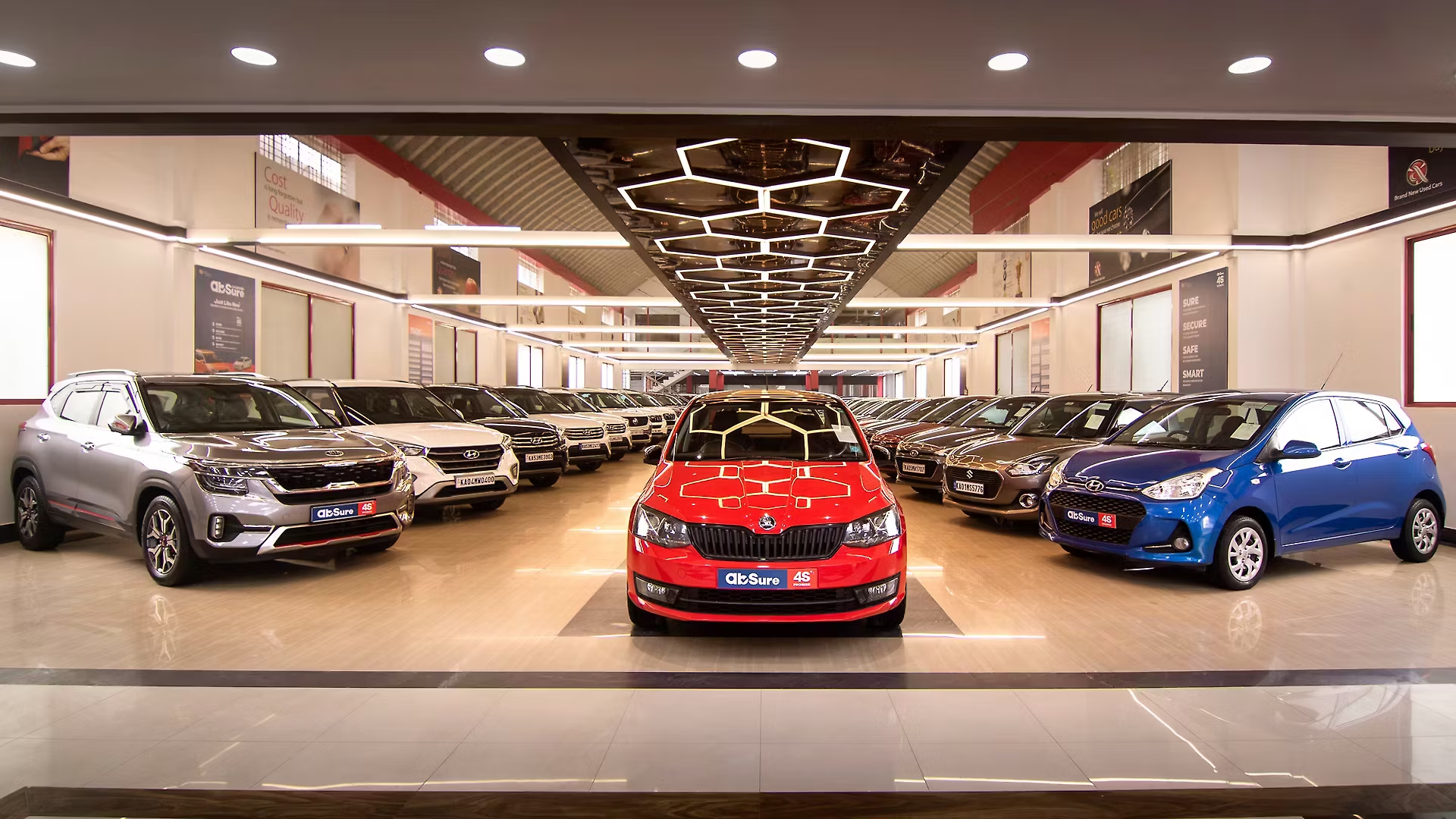
A small car revival in India feels overdue. There was a time not too long ago when the small car wasn’t just a segment in India’s auto market — it was the market. The Maruti 800, the Alto, the WagonR, the original Swift — these weren’t just vehicles, they were how an entire generation of Indians got their first taste of car ownership. And then, somewhere over the last six or seven years, that story quietly fell apart.This small car revival in India isn’t a one-off blip — it’s a structural shift.

Hatchbacks that once made up nearly half the market crashed down to roughly a quarter of it. Cars priced under ₹10 lakh, once a huge chunk of total sales, shrank to a sliver — just 6% of the market in FY26, down from 12.5% only two years earlier. SUVs, meanwhile, exploded from about a third of the market in 2020 to well over half of it today. On paper, it looks like Indian buyers simply fell out of love with small cars. The real story behind this small car revival in India is a lot more complicated, and honestly, a lot more concerning.
What Actually Happened to India’s Small Car Segment
Understanding this collapse is the first step to understanding the small car revival in India now underway. This wasn’t really a shift in taste so much as a shift in affordability. Rising input costs, tightening safety regulations, and stricter emissions norms all pushed up the price of even the most basic hatchbacks, year after year. A car that used to cost ₹3-4 lakh started creeping toward ₹6-7 lakh, and once that price gap to a compact SUV started shrinking, a lot of buyers reasonably asked: why not just stretch a little further and get the bigger vehicle instead?
Maruti Suzuki, the company that basically built its entire identity around the small car, felt this shift more than anyone. Its domestic market share dropped from over 50% in FY19 to around 40% by FY26, even while it kept dominating in units sold overall. Company chairman R.C. Bhargava didn’t mince words about it either — he pointed out that small car volumes had fallen 35-45% below pre-pandemic levels, driven by exactly this combination of rising prices, tighter rules, and higher total ownership costs pricing out first-time buyers.
Why a Small Car Revival in India Actually Matters
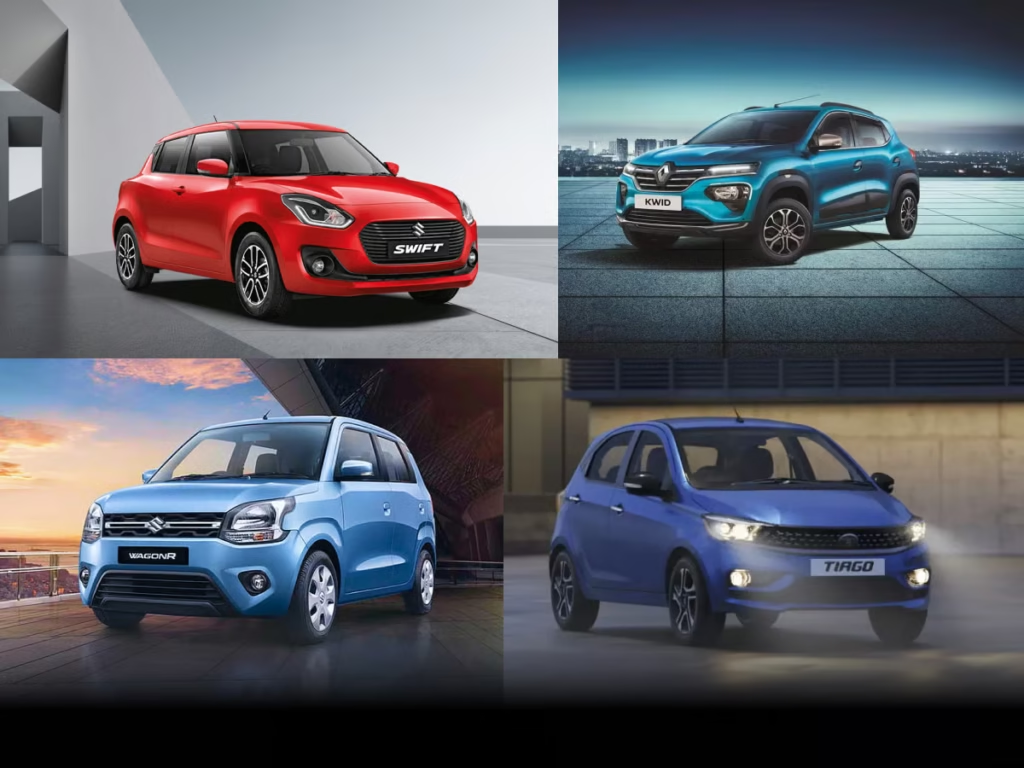
Here’s the part that gets lost in a lot of the SUV-hype coverage: India isn’t a country where everyone can simply “upgrade” to a bigger, pricier car. Bhargava said it plainly — India is not a rich country where everybody can buy big cars, and a large part of the population will always need genuinely affordable, low-cost small cars.
This isn’t sentimentality talking. It’s about who actually gets left out when the market drifts upward. First-time buyers, young professionals just starting out, rural households, small business owners looking for a practical second vehicle — these are exactly the people small cars were built for, and exactly the people getting squeezed out as manufacturers chase fatter margins on SUVs instead.
There’s also a road safety and urban planning angle that rarely gets discussed for Small Car Revival in India . Smaller, lighter cars are easier to park, easier to maneuver through India’s notoriously narrow lanes and congested city roads, and consume less fuel — a genuinely important factor in a country still heavily dependent on imported crude oil.
The Small Car Revival Is Already Starting
Here’s the encouraging part: this isn’t just a hopeful prediction, it’s already visibly happening. The GST 2.0 reforms rolled out in 2025 played a huge role here, and Bhargava called the coming revival “inevitable” once those changes took effect, tied to improving affordability across the board.
The numbers back this up in a big way. By April 2026, India’s passenger vehicle industry saw a 27% year-on-year sales jump, and small cars were a massive part of that story — Maruti’s small car offerings alone grew by a staggering 74.4% that month, directly challenging the years-long trend toward premiumization.
Rural India has turned out to be the real engine behind this comeback. Maruti’s rural penetration has crossed 52% of its total sales, effectively making rural India the company’s biggest market segment. Rural vehicle sales are growing more than 20% year-on-year, dramatically outpacing single-digit growth in urban markets. And it makes sense when you think about it — entry-level cars remain dramatically cheaper than SUVs, which matters enormously for first-time buyers who don’t have urban salaries to lean on.
Waiting list numbers tell a similar story. Bhargava mentioned around 190,000 people currently on Maruti’s waiting list nationwide, with 30,000 of those specifically waiting on small cars — a segment plenty of people had already written off as dead.
What This Small Car Revival in India Needs Going Forward
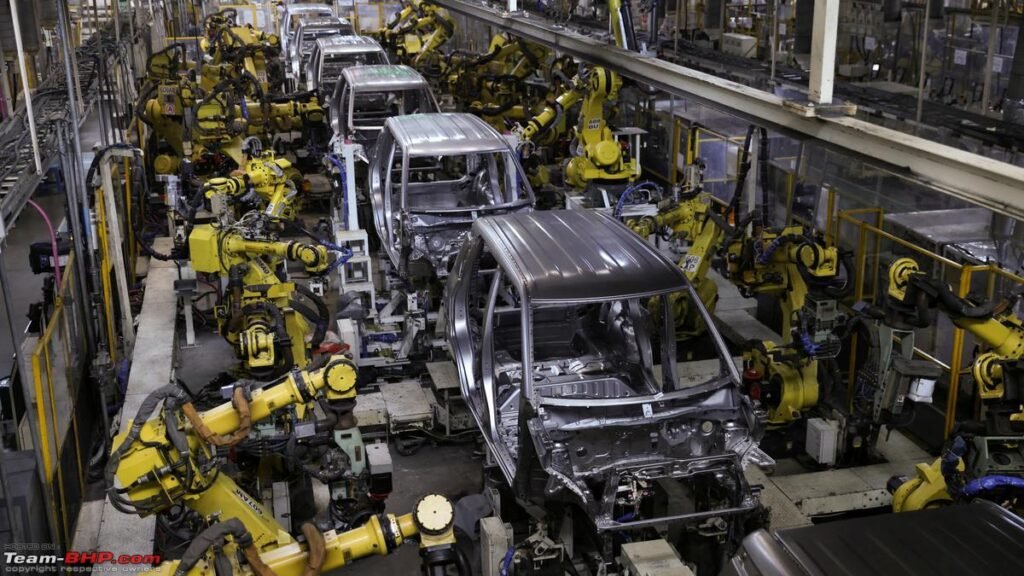
A genuine small car revival isn’t just about nostalgia for the Alto or the original 800. It’s about making sure car ownership doesn’t quietly become a privilege reserved for people who can afford a ₹12-15 lakh SUV. Manufacturers pursuing a dual strategy — building for both ends of the market rather than abandoning the entry-level segment entirely — is exactly the right instinct, and it’s genuinely encouraging to see companies like Maruti recommit capacity and investment toward hatchbacks rather than treating them as a dying category.
Policy also has a real role to play here beyond just the recent GST cuts. Continued affordability support, sensible safety regulations that don’t disproportionately burden entry-level vehicles, and infrastructure that makes smaller, efficient cars genuinely practical in both cities and rural areas would all help cement this revival rather than let it fade as a temporary blip. Sustaining this small car revival in India will depend on more than just one good GST cycle.
The Bottom Line
India’s small car segment didn’t decline because people stopped wanting small cars. It declined because small cars quietly stopped being small in price, even as everything around them — regulations, input costs, buyer expectations — kept climbing. The good news is the small car revival in India is already underway, driven by policy support, rural demand, and manufacturers finally waking up to a market they’d been steadily walking away from.
If this revival holds, it won’t just be good news for Maruti’s balance sheet. It’ll mean car ownership stays genuinely accessible for the millions of Indians who were quietly being priced out of a market that used to be built specifically for them. The small car revival in India is a story worth watching closely over the next few years.
FAQs
Why did small car sales decline in India? Rising manufacturing costs, stricter safety and emissions regulations, and higher overall ownership costs pushed up hatchback prices significantly, narrowing the price gap with SUVs and pushing many buyers toward bigger vehicles instead.
Is the small car revival in India actually happening? Yes. Following the 2025 GST reforms, small car sales saw a sharp rebound in 2026, with Maruti Suzuki reporting a 74.4% year-on-year jump in small car sales by April 2026, driven largely by rural demand.
Why does India specifically need affordable small cars? A large share of India’s population, especially first-time buyers and rural households, cannot afford SUVs or premium vehicles. Small cars remain the only realistic entry point into car ownership for millions of people. “Small Car Revival in India”
What role did GST reforms play in the small car revival? The GST 2.0 changes improved affordability across the entry-level segment, which industry leaders like Maruti Suzuki’s chairman directly credited for making a small car revival “inevitable.”
Is rural India driving the small car revival? Yes, significantly. Rural sales are growing over 20% year-on-year compared to single-digit urban growth, and rural markets now account for more than half of Maruti Suzuki’s total sales. “Small Car Revival in India”