
 By Automotto

The luxury‐car landscape for model years 2026–2027 is shaped by a mix of time‐honoured opulence and rapid electrification. Established marques are launching new iterations of flagship sedans, coupes, and SUVs with the latest powertrains – from handcrafted V12s and performance V8 hybrids to new all‐electric architectures. Key examples include Mercedes‐Maybach’s next‐gen S‑Class and top‐end SL roadster, Rolls‑Royce’s first EV (Spectre) alongside its long‑running Phantom, Bentley’s plug‑in hybrid Continental and new Flying Spur, BMW/ALPINA’s high‑power SUVs, Aston Martin’s upgraded DBX performance SUV, and Porsche’s even more extreme 911 Turbo S and Cayenne E‑Hybrid. Emerging players like Genesis and Lucid are also expanding with fully electric models (e.g. Electrified GV70, Lucid Gravity), while Tesla prepares its high‐performance Roadster.
These models push innovations in electric powertrains, battery range, autonomous tech, and luxury materials. For instance, Lucid’s new Gravity SUV offers up to 800 hp and ~450 mi range, while Mercedes’s Maybach SL roadster preserves V8 grandeur (577 hp) with hi‑tech comforts. Buyers in this segment demand both exclusivity and cutting‑edge features: bespoke interiors (hand‑stitched leathers, rare woods), advanced driver aides (L3/L4 autonomy suites), and high tech (large OLED screens, AI co‑pilots). Pricing remains stratospheric – typically starting in the low‐six figures for premium SUVs and mid‑$200Ks for flagship sedans, up to well over $400K for bespoke Sedans.
Regulatory shifts (e.g. Europe’s 2035 ICE ban) and supply‐chain issues (chip and battery supply) are pressing these brands to electrify quickly. Bentley, for example, has already announced a compact luxury EV crossover for 2026. Resale and ownership of these cars can be complex: well‑maintained ultra‐luxury ICE cars often hold value thanks to limited production, but rapid tech changes mean owners must consider service networks and future demand for EVs vs. traditional engines. Overall, the 2026–2027 luxury market balances the last hurrahs of ICE power with the dawn of high‑performance electrics, catering to buyers who prize both heritage craftsmanship and state‑of‑the‑art innovation.
Mercedes‑Maybach: Ultra‑Luxury Sedans and Roadsters

2026 Maybach SL 680 Monogram Series (Roadster) – A two‑seat, open‑top grand tourer, this new SL variant arrives for late‑2025 as a 2026 model. It uses a 4.0 L biturbo V8 (with mild hybrid assist) producing 577 hp and 590 lb‑ft, with all‑wheel drive and an estimated 0–60 mph in ≈4.0 s. Top speed is 161 mph (electronically limited). Core luxury features include bespoke Maybach‐pattern insulated soft‑top, two‑tone leather (e.g. “Red Ambiance” or “White Ambiance” themes), AI‑based MBUX infotainment, and Maybach‑specific grille and rose‑gold inlays. Starting price is around $225K. The Monogram Series is very limited (200 units for North America) with unique “smoke matte gray” paint and interior finishes, targeting affluent buyers seeking both high performance and exclusivity.
2026 Maybach GLS 600 4MATIC (SUV) – The ultra‑luxury SUV sibling of the new S‑Class, the Maybach GLS arrives early 2026. It’s powered by a 4.0 L biturbo V8 mild‑hybrid (550 hp, 568 lb‑ft) driving all wheels. 0–60 mph is about 4.6 s. The cabin seats five (with four‑seat option) and is “expansively indulgent” – standard features include Nappa leather with Maybach stitching, active air suspension with E‑Active Body Control, massive panorama roof, and rear‑seat executive seats with massaging/ventilation. MSRP starts at about $180K. Buyers here are ultra‑wealthy SUV owners who want “S‑Class” serenity; Mercedes equips it with the latest Driver Assistance (Level‑3 Drive Pilot where legal) and an MBUX Superscreen for high‑end infotainment.

2026 Maybach S‑Class Sedans (Mercedes-Maybach S 580 & S 680) – The long‑wheelbase S‑Class continues as Maybach. Official U.S. data is pending, but leaks confirm two powertrains: a mild‑hybrid 4.0 L V8 (~530 hp) or the iconic 6.0 L V12 (~621 hp), both with 0–60 mph around 4.3 s. Expect full AirMatic adaptive suspension, “first‑class” rear seats (with footrests), optional champagne fridge with crystal flutes, and hyper‑exclusive hand‑crafted trims (e.g. up to 50 paint shades, 20 leather colors). Pricing will start ~+$220K (est. above $233K for 2026, up from $220K prior). In sum, Maybach products merge traditional craftsmanship (rich leathers, open‑pore wood, “Maybach” branding everywhere) with high tech (AI voice control, digital roof, over‑the‑air updates) to serve buyers who want both ultimate comfort and state‑of‑the‑art innovation.

Rolls‑Royce: Bespoke Craftsmanship and Electric Debut
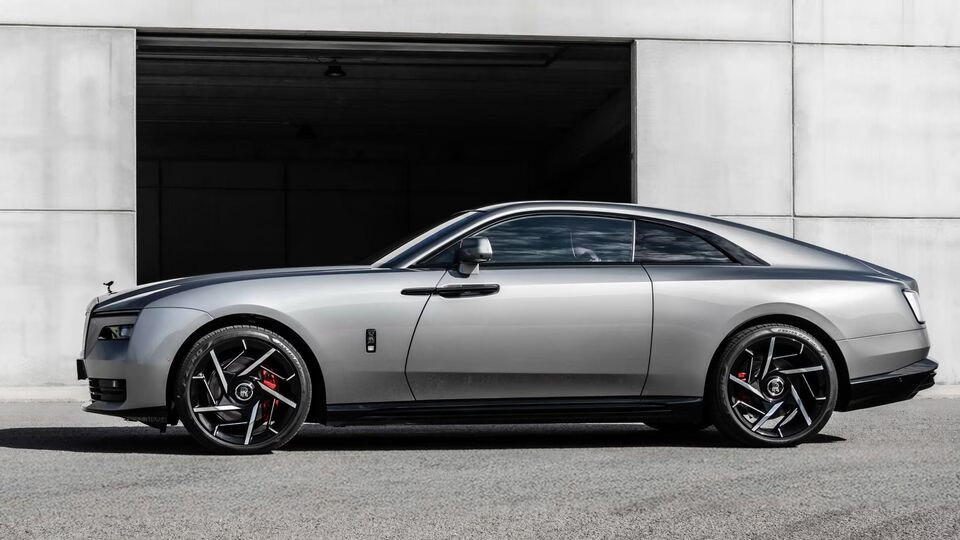
2023–26 Rolls‑Royce Spectre (EV Coupe) – Rolls‑Royce’s first electric model, Spectre, launched late‑2023 and continues through 2026. It is a full‑size two‑door luxury coupe with twin electric motors (one per axle) yielding about 577 hp and 664 lb‑ft. A 102 kWh lithium‑ion battery (shared with the BMW i7) gives EPA range up to ~329 mi (more in 22″ wheel spec). Acceleration is effortless (estimated ~4.4 s 0–60), with a top speed limited to ~155 mph. Price starts around $397,750. Interior appointments are ultra‑lavish (artisan leather, wool carpets, Starlight Headliner) and fully bespoke – e.g. hidden storage compartments and polished wood picnic tables, preserving Rolls‑Royce’s “craft” appeal. The Spectre signals Rolls‑Royce’s electrified future and aligns with emissions mandates. For buyers, it offers the classic “magic carpet ride” EV experience plus zero‑emissions prestige; these well‑heeled owners worry little about recharge logistics, and Rolls offers dedicated home chargers. However, being new technology, long‑term resale is unproven.
2026 Rolls‑Royce Phantom (Sedan) – The ultra‑luxury limousine continues in essentially its current form through 2026. It uses the storied 6.75 L V12 (about 563 hp, 664 lb‑ft) and dual‑coil suspension for a famously smooth ride. Recent “Centenary” editions add bespoke trim, but no major tech leap this cycle. The Phantom starts at roughly $555,350, targeting global ultra‑wealthy (royalty, celebrities) who want exclusivity above all. Features include nearly infinite customisation (dedicated design teams for veneers and paint), every conceivable luxury (massaging seats, picnic tables, umbrella holder) and the latest safety/infotainment. Regulatory pressures (2025+ emissions) loom, so Rolls‑Royce is developing an EV Phantom (~2030). In the meantime, Phantom buyers know these cars hold value as rare collector items; however, maintenance and limited appeal mean they remain bespoke purchases.
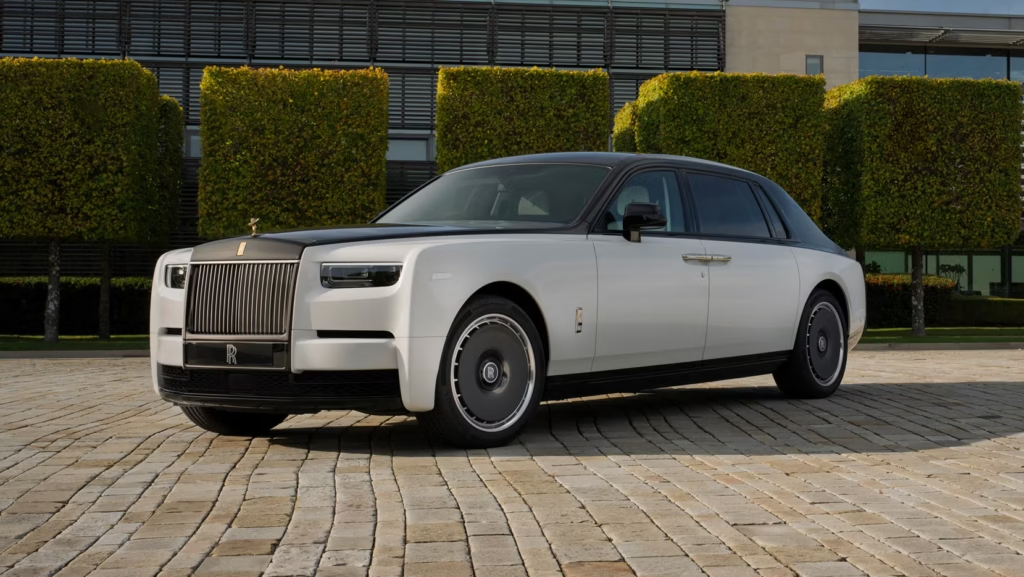
Other Rolls‑Royce models: The Cullinan SUV (2023+) and Ghost sedan (2020+) continue alongside Phantom, but no major new versions are due for 2026 beyond minor updates. The forthcoming Ghost Series II is largely carryover. All Rolls models emphasize ultra‑high customization and hand‑built finish.
Bentley: Grand Tourers Go Hybrid (and Electric)
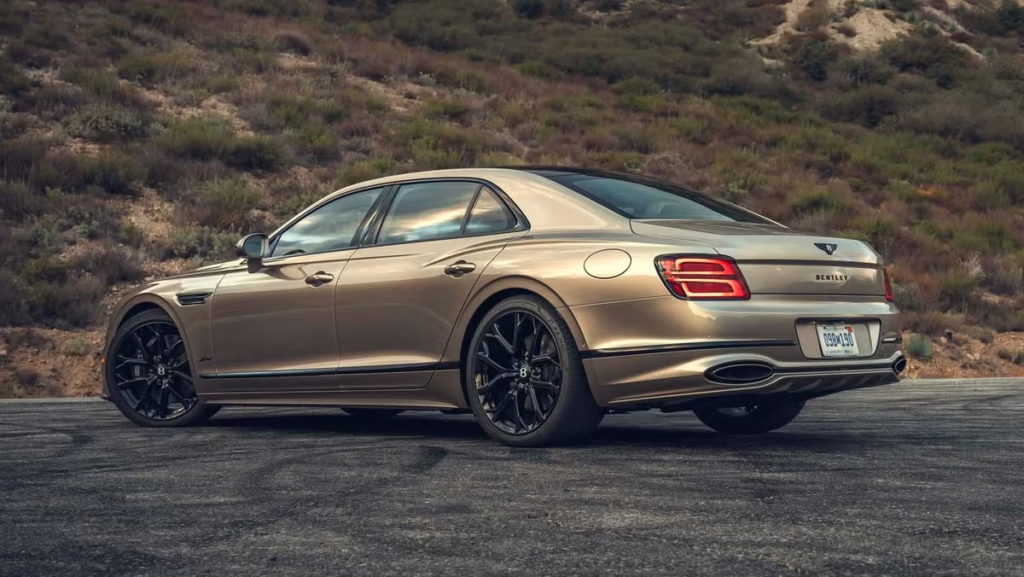
2026 Bentley Flying Spur (Sedan) – Bentley’s new Flying Spur is a full‑size luxury sedan (4‑door) refreshed for 2026. It introduces a powerful plug‑in hybrid powertrain: a 4.0 L twin‑turbo V8 plus electric motor, delivering 671 hp combined in base/Azure trims (771 hp in Speed/Mulliner trims). Real‑world 0–60 mph is on par with continental GT (low‑3‑s range). EPA‑rated electric range is about 30 mi per charge. The cabin is impeccably hand‑crafted – think premium leather, open‑pore wood, metal accents, and the faint aroma of bentley leather. Buyers can choose bench or captain’s‑chair rear seats. Starting price is roughly $254,850 (for the base hybrid), up to ~$347K for Speed/Mulliner. Flying Spur’s competitors include Rolls Ghost and Maybach S; it’s positioned as a “luxury tourer with sports sedan pace”. Risks here include hybrid complexity and fuel economy (~17 mpg city, 22 mpg highway). However, as a PHEV it sidesteps some emissions regs and appeals to buyers wanting an eco‑boosted Bentley. Bentley offers exhaustive bespoke options (millions of colour combinations) to satisfy discerning owners.
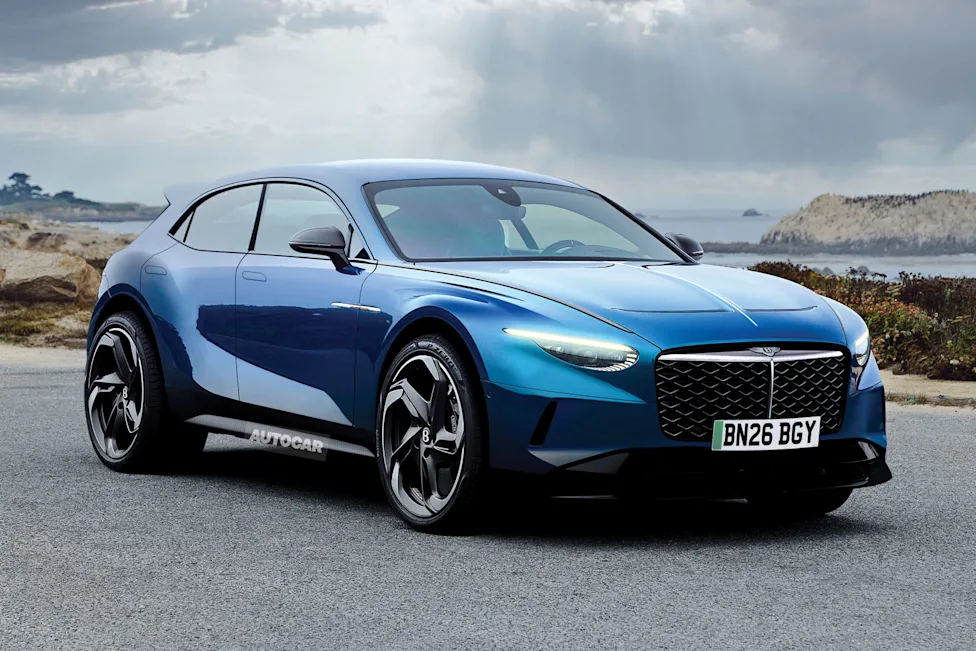
2026 Bentley Electric Crossover – Bentley has officially announced its first full EV, debuting in 2026. It will be a “luxury urban SUV” (a compact crossover sized around a Cayenne) riding on Porsche’s upcoming EV platform. Details are scarce, but Bentley emphasizes fast charging and usable range. CEO Walliser noted this launch (plus extending carbon‑neutral goals to 2035) is driven by new legislation and customer demand. This EV will live alongside the Bentayga. Its target buyer is the modern Bentayga owner who is ready to switch to EV but still demands Bentley flair (“we want to make a Bentley electric car,” he said). Supply risk: sourcing high‑quality cells in time, and maintaining the brand’s distinctive sound/feel, are engineering challenges mentioned internally.
Other Bentley notes: Bentley also plans to continue plug‑in hybrids for Continental GT and Bentayga through 2026. The focus is on electrification without losing the “presence” of a Bentley (e.g. possibly crafting synthetic engine sounds). Long term, Bentley will go fully electric across the range.
BMW Individual / Alpina: Niche Performance Gems
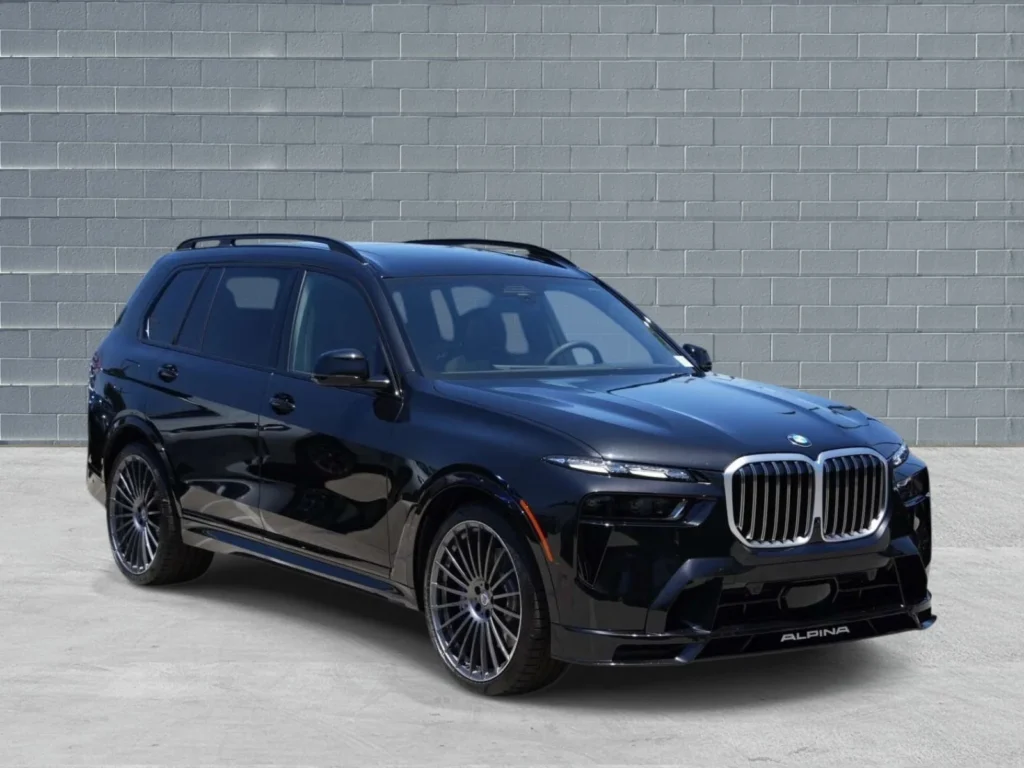
2026 ALPINA XB7 (SUV) – The BMW ALPINA XB7 is a bespoke performance variant of the X7 luxury SUV, sold through BMW’s 2026 lineup. It uses BMW’s twin‑turbo 4.4 L V8 (upgraded to 631 hp and 590 lb‑ft) with all‑wheel drive. Official 0–60 mph is 3.9 s. Curb weight is heavy (~5,950 lbs), but ALPINA tunes suspension, steering, and exhaust for a more dynamic feel. Interior highlights include Lavalina leather, BMW’s largest curved 31″ display for instrumentation/infotainment, plus optional Rear Executive Lounge and captain’s chairs. Starting MSRP is about $156,000. The XB7 competes with other ultra‑luxury SUVs (e.g. Range Rover SV) and appeals to buyers seeking high speed in a practical 7‑seat cabin. Regulatory-wise it’s just a high‑end ICE; however, no hybrid version is offered (hybrid BMW iX7 exists separately). BMW Individual can further customize any 7 Series or X7 in even more exotic trims, but no specific new Individual model has been announced. ALPINA’s niche—very rapid, hand‑finished cars—means resale is strong within its enthusiast market, but these cars remain rare.
Aston Martin: Performance SUV Evolution
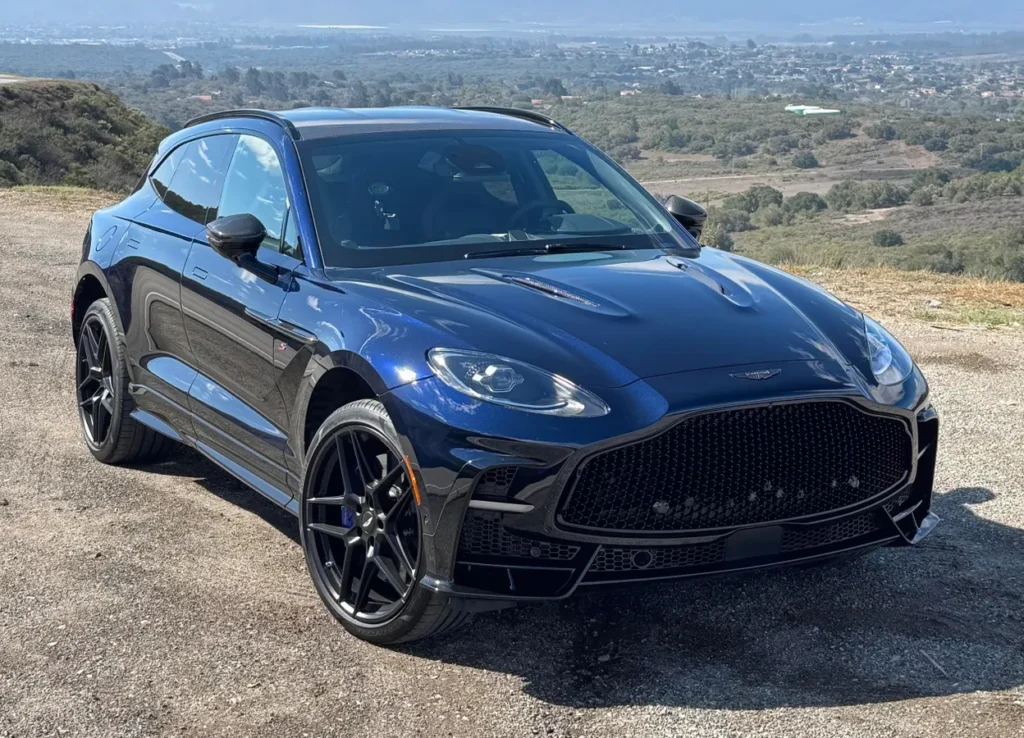
2026 Aston Martin DBX S (SUV) – Aston Martin’s DBX 707 (2023) is already the world’s most powerful SUV. For 2026, the DBX S (a new variant) takes that even further. It retains the 4.0 L twin‑turbo V8 but tuned to 717 hp (vs. 630hp in DBX707). Weight is trimmed (carbon‑fiber roof, etc.), yielding a ~3.1 s 0–60 mph and top speed ~193 mph. The SUV’s unmistakable bodykit (aggressive grille, large intakes) signals its speed. Luxury is ample: Nappa leather, Alcantara, and lots of carbon‑fiber trim. Price is around $276,000. Target buyers are affluent drivers desiring exotic performance in an SUV form (think Lamborghini Urus or Bentayga Speed owners). Supply risk: as a low‐volume marque, delays or production glitches can occur; also new emissions standards may press AM to electrify (the battery‑assisted “project Neptune” is rumored for 2030s). Resale for DBX models has been strong among collectors, given limited numbers.
Porsche: High‑Performance Hybrids and EV Upgrades
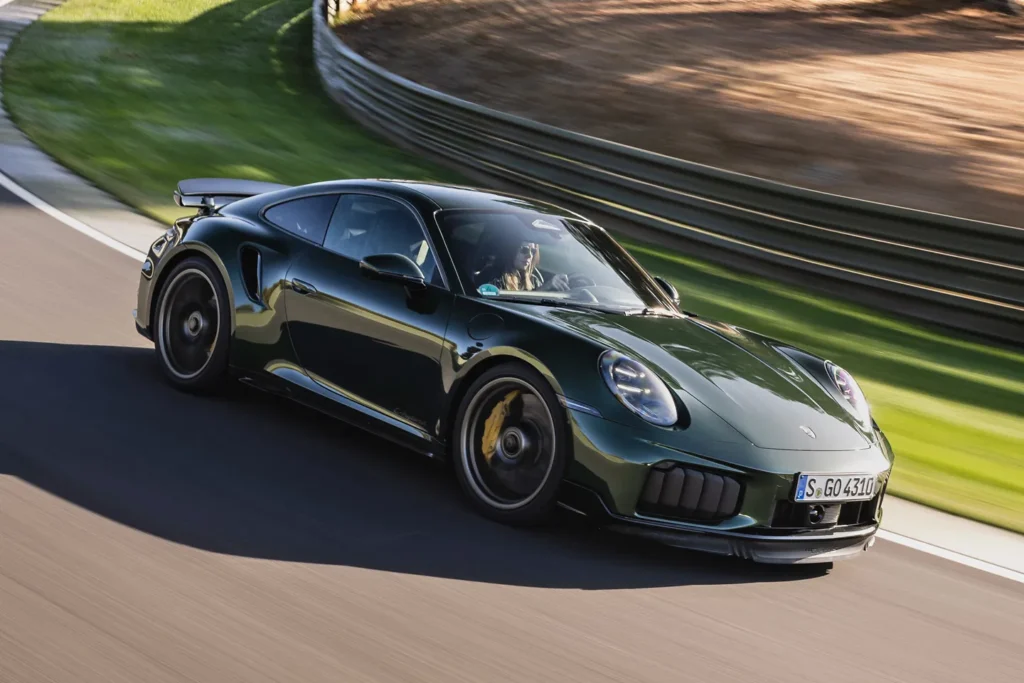
2026 Porsche 911 Turbo S (992.2 model) – Porsche continues refining its icons. The 911 Turbo S (coupe/cabriolet) is updated for 2026. It now features a motorsport‑derived “T‑Hybrid” system: a 3.6 L twin‑turbo flat‑6 plus integrated electric motor in the transmission, yielding 701 hp (an increase of ~80hp). 0–60 mph is a blistering 2.4 s, with top speed ~200 mph. The car uses its established AWD and PDK gearbox. Luxury features include ultra‑premium leather/Alcantara trim, all‑LED matrix headlights, and cutting‑edge infotainment (Porsche Communication Management). The starting price is about $270,300. Buyers are traditional Porsche enthusiasts or tech‑minded drivers; the Turbo S rivals very few (Koenigsegg, Bugatti) in accel, but also offers day‑to‑day usability. As a hybrid supercar, it skirts U.S. tax incentives and meets stricter future emissions better than a pure ICE hypercar. Resale is typically excellent for 911s, and the blend of old‐school 6‑cylinder sound with modern electrification is a selling point.
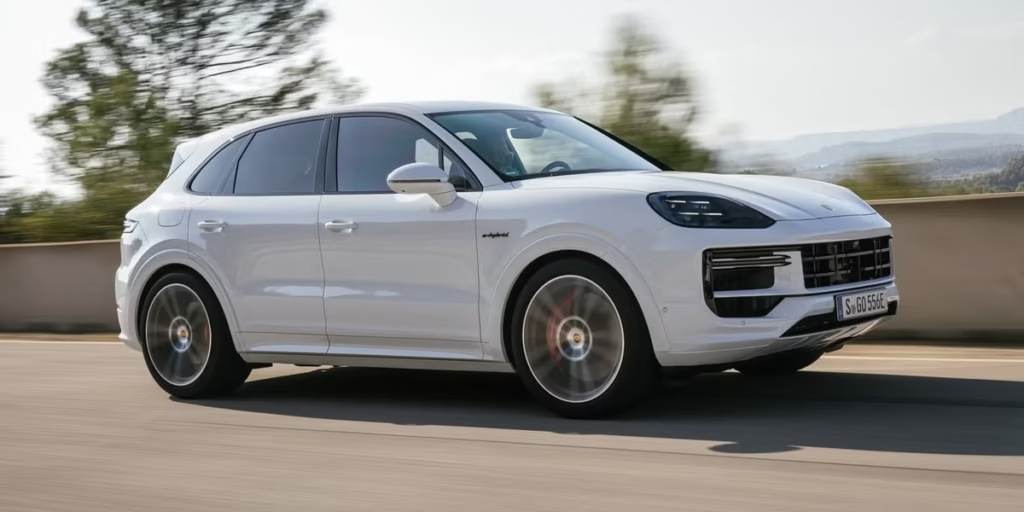
2026 Porsche Cayenne Turbo E‑Hybrid (SUV) – Porsche’s flagship SUV also gets upgrades. The 2026 Turbo E‑Hybrid combines a 4.0 L V8 with electric boost to produce 729 hp combined (up from ~670hp prior). It sprints 0–60 mph in 3.5 s. EPA range is short (~20–25 mi EV) but enough for short commutes. Price begins at ~$164,500. The Cayenne’s interior is laden with tech (touchscreen climate controls, digital dash) and plush materials. The Turbo E‑Hybrid competes with high‑end electric SUVs (Tesla Model X Plaid, BMW XM) and appeals to buyers wanting an AWD super‑SUV with some plug‑in efficiency. Regulatory benefit: as a PHEV, it partially offsets fleet fuel standards. Battery supply could affect production, but Porsche’s VW Group scale helps.
Other Porsche notes:
- Panamera/Four: By 2026 the Panamera lineup likely continues (including EV Panamera, a.k.a. Porsche Taycan Cross Turismo). The 2026 Panamera may get mild facelifts, but is mostly on stable platform.
- Macan EV: The Macan EV (launched 2024) is selling well. 2026 likely brings software and battery improvements (it already has up to 312 mi range). No fully new Porsche SUV is due.
- Sports Cars: No full‑new 718 successor has been announced (though Porsche is working on EV sports prototypes). Ferrari/Lambo EV threats might push Porsche to an electric 911 by 2030, but in 2026 the ICE/hybrid 911 remains king.
Lexus F/LC: Last of the V8 Sports Cars
2026 Lexus LC 500 (Coupe & Convertible) – Lexus’s halo grand tourer enters its final production run. It retains the Toyota‑sourced 5.0 L naturally‑aspirated V8 (~471 hp, 398 lb‑ft) with 10‑speed auto. 0–60 mph is ~4.4 s. New for 2026 is an “Inspiration Series” limited edition (200 units NA) with unique matte‑gray paint and black/white interior trim. Starting price (2025 LC) was ~$95,800. Core luxury features include a hand‑fitted leather interior, authentic analog gauges, Mark Levinson sound system, and active sound management. Buyers are typically younger luxury‑car buyers who appreciate Lexus reliability and a naturally aspirated engine’s smoothness. Lexus also markets the LC’s blend of exotic looks and practical comfort. As the last Lexus V8 GT, the LC is likely to hold value among collectors when production ends in 2026. Note: Lexus has hinted at future electric sports coupes (LF‑Z concept family), but none are confirmed for 2027.

Lexus High‑Performance (F): The LC’s high‑performance sibling, the LC 500h hybrid (354 hp), continues in parallel. The “F” marque currently includes the RC F and GS F coupes/sedans, but no all‑new F models are due in this cycle. Lexus is likely to shift focus to EVs thereafter. For now, Lexus drivers can expect hybrid power and gradually updated infotainment, but no major new ICE performance models beyond what’s listed above.
Genesis: Tech‑Oriented Luxury on the Rise
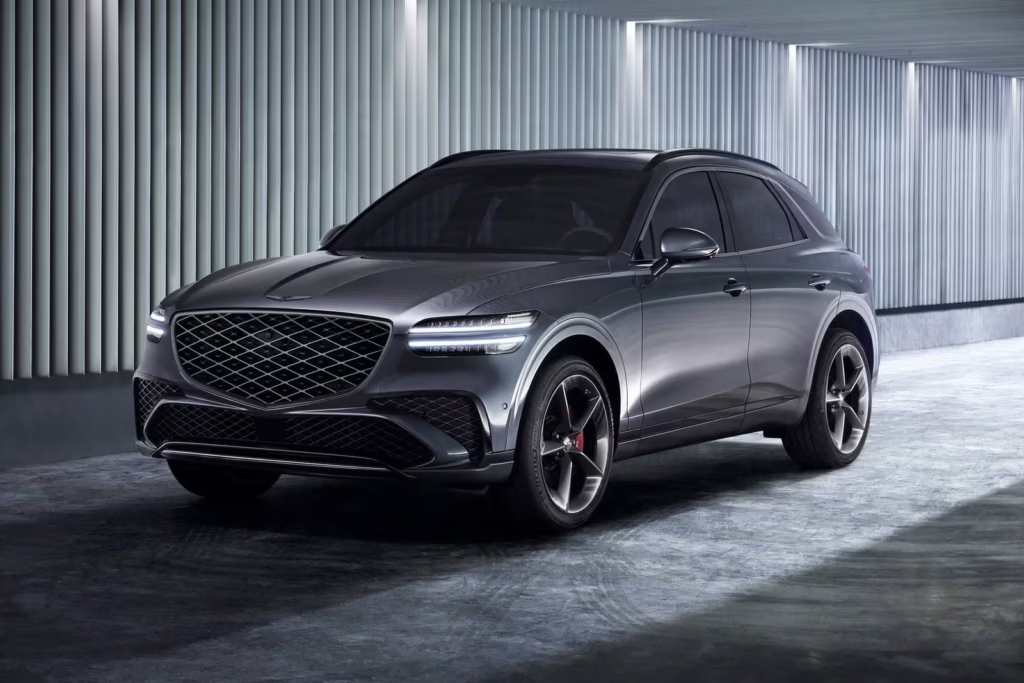
2026 Genesis GV70 (SUV) – The GV70 compact SUV is Genesis’s best-seller. The 2026 refresh adds a massive 27″ curved display (combining gauges and infotainment) and subtle exterior revisions. Powertrains remain a turbo‑4 (about 300 hp) and a twin‑turbo V6 (~375 hp). Pricing is very competitive (MSRP ~$50,480–$72,590) for its class. The Electrified GV70 (below) is expected to share the new tech. The GV70 targets well‑informed luxury buyers (often younger) who want sleek design, lots of features (e.g. Level‑2 autonomous features), and value relative to German peers.
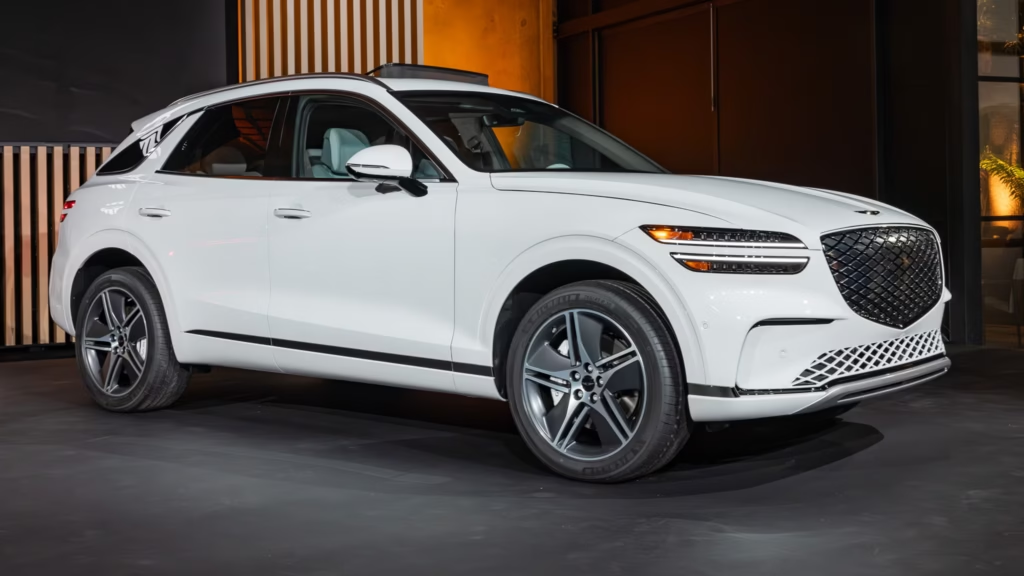
2026 Genesis Electrified GV70 (EV SUV) – Genesis’s first fully electric model begins volume sales for 2026. It uses dual motors (483 hp total) for 0–60 mph in ~3.8 s. EPA range is estimated ~243–263 mi on a 77.4 kWh battery. Price is roughly $65,875–$76,845. The cabin is modern and plush (swathes of leather, large infotainment screens) to rival Tesla, and it includes advanced driver aids (Genesis has a pro‑driver assistance package). This EV faces competition from e‑luxury crossovers like the BMW iX3 and Cadillac Optiq. Regulatory environment favors it (California ZEV mandate, EU CO₂ rules), but supply of semiconductors/batteries could be a bottleneck. Early reviews praise the Electrified GV70’s build quality and refinement, though range lags some rivals. Genesis’s buyer profile is typically tech-savvy and brand‑loyal, valuing upscale features at a lower cost than German cars. As a new nameplate, resale is uncertain but expected to follow mainstream EV depreciation patterns; however, Genesis’s industry focus on service may help retention.
Lucid: Ultra‑Luxury Electric with Record Range
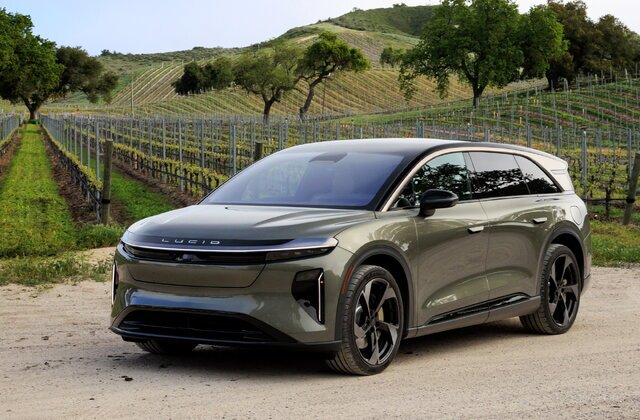
2026 Lucid Gravity (SUV) – Lucid, known for the Air sedan, expands into SUVs. The Lucid Gravity is a three‑row full‑size EV SUV (up to 7 seats) with extraordinary specs. It offers up to 800 hp in top “Grand Touring” trims (dual motors) and an EPA range up to 450 miles. Charging is supported at 900V levels for faster top‑up (Lucid’s 924V architecture). Starting price for the Gravity Grand Touring is about $79,900. Interior design emphasizes space and luxury – up to 120 cu ft of cargo room, 5 curated interior themes, vegan leather and reclaimed wood options, plus front trunk space. Buyers are EV early adopters who expect both “family sedan” practicality and Tesla‑rivaling performance. The Gravity has won “World Luxury Car of Year” honors, confirming its market promise. Innovations include a full suite of driver aides (Lucid Drive Pilot in development), a smart panoramic glass roof, and over‑the‑air software updates. Supply risk: Lucid is ramping production from a single Arizona plant; component supply and manufacturing maturity are challenges. Battery quality is very high (over 6,000 Li‑ion cells, 900V) to achieve its range. Its resale value is unproven (as a low-volume EV), but the brand touts a lifetime battery warranty to reassure owners.
Tesla: Electric Benchmark and New Hypercar
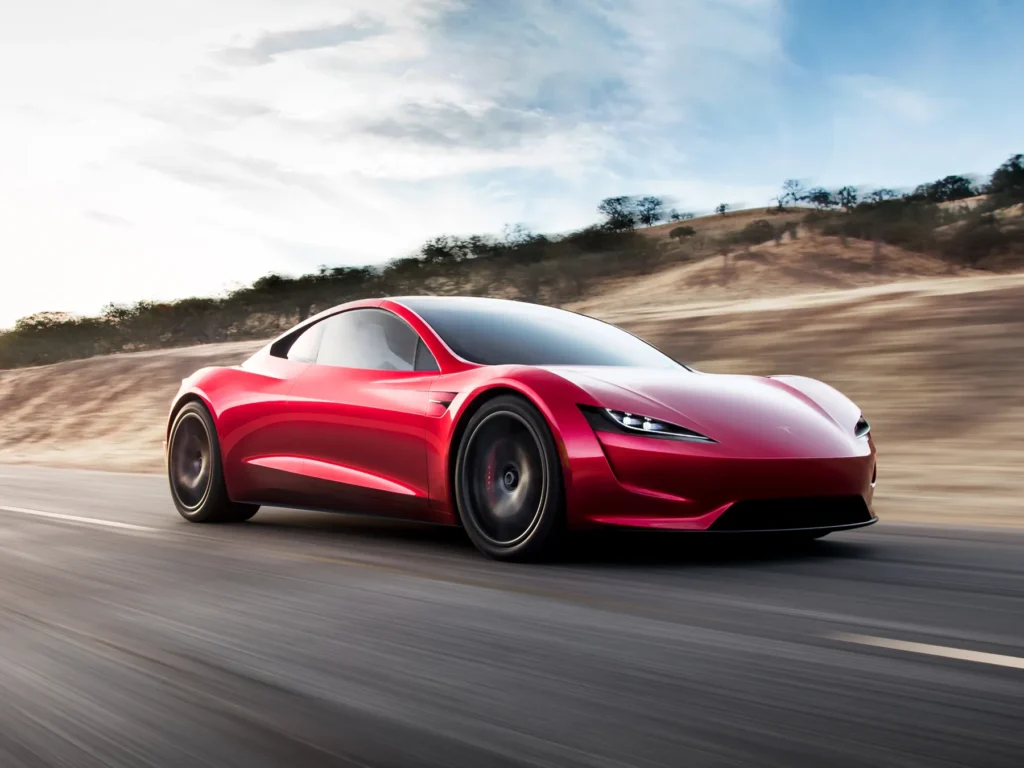
2026 Tesla Roadster (Sport Coupe) – After several delays, Tesla’s new all‑electric Roadster is slated for production in late 2026. It’s a 2+2 sports coupe (glass roof panel removable), promising extreme performance: Tesla claims 0–60 mph in as little as 1.1 seconds (controversial) or at least 1.9 s, and a top speed above 250 mph. Key to this is a massive 200 kWh battery for an up to 620‑mile range. Powertrain will be AWD (likely tri‑motor) with estimated 1,000+ hp. Pricing is expected from $200K (base) to $250K for the mid “Founders” edition. Core luxury features include Tesla’s full-screen UI, minimalistic cabin, and likely signature perks (like Autopilot). The Roadster’s buyers are the super‑wealthy EV enthusiasts—think hybrid of Silicon Valley high rollers and exotic‑car collectors. It serves as a brand halo for Tesla. Risks: exceedingly high cost means limited sales; EV hypercars can be temperamental (battery and thermal management are critical). If successful, it will set the bar for electric performance. Resale is uncertain, but Tesla’s track record suggests strong demand if production is smooth.
Other Tesla: The Model S and X will likely continue with minor updates (refreshes hinted for 2026) but no new models until possibly a rumoured “CyberS” or small car. The high‑end Model S Plaid (~1,020 hp) remains on sale as a performance benchmark, with refresh rumours including upgraded interiors and yoke steering. Tesla’s network and software (with regular OTA improvements) remain competitive advantages.
Key Takeaways: Leading luxury brands are blending high output (often ≥600 hp) with higher fuel efficiency and EV ranges. The innovations to watch include battery tech for long range (Lucid’s 900V system), AI‑powered infotainment, and Level‑3/4 autonomy in flagship cars. Risks include regulatory pressure pushing ICE out (inducing fast EV development as seen at Bentley) and potential chip/battery shortages. Ownership considerations vary: ultra‑luxury ICE cars (Maybach, Rolls) may retain value as collectibles, while early EVs (Spectre, Gravity, GV70 EV) might depreciate faster as technology advances. Buyers must also weigh charging infrastructure and software support, especially for the EV models.
In summary, the 2026–2027 luxury segment offers a fascinating duality: the last great combustion engines made even more powerful and exclusive, and new EV flagships pushing range and tech. Each model is positioned carefully – from Mercedes’s S‑Class for traditional limousine buyers to Lucid and Tesla courting next‑gen tech elites – ensuring a broad, competitive landscape.
Sources: Official manufacturer newsrooms (Mercedes-Benz, Lexus, Porsche, Lucid), major automotive media (Car and Driver, Forbes, Porsche USA site) and technical press releases. Data gaps or estimates are noted above; all specifics (specs, prices) are as announced or reported.
Frequently Asked Questions
Which luxury car brand is going fully electric first?
Rolls-Royce already made the leap with the Spectre, its first EV, currently sold alongside the V12 Phantom. Bentley is next in line, with a compact electric crossover confirmed for 2026 riding on Porsche’s EV platform.
What’s the most powerful luxury SUV for 2026?
The Aston Martin DBX S tops the pack at 717 hp, narrowly ahead of the Porsche Cayenne Turbo E-Hybrid (729 hp combined, though that’s boosted by electric assist) and the ALPINA XB7 (631 hp).
Are any of these luxury EVs offering real road-trip range?
The Lucid Gravity leads with up to 450 miles EPA-rated range, followed by the Genesis Electrified GV70 at roughly 243–263 miles. The Rolls-Royce Spectre lands around 329 miles, which is respectable given its size and weight.
Is it worth buying a flagship ICE luxury car right now, or should I wait for the EV version?
It depends on priorities. Traditional ICE flagships like the Rolls-Royce Phantom and Maybach S-Class tend to hold value well due to limited production and established collector demand. Early EVs from these same brands (Spectre, upcoming Bentley crossover) come with strong performance and zero-emissions appeal, but resale value is still unproven since there isn’t enough market history yet.
Which brand offers the best value in the luxury EV segment?
The Genesis Electrified GV70 stands out on pricing (roughly $65,875–$76,845) against rivals like the BMW iX3, while still packing dual motors, a large curved display, and Genesis’s driver-assistance suite.
Will hybrid luxury cars disappear once EV technology matures?
Not immediately. Plug-in hybrids like the Bentley Flying Spur and Porsche Cayenne Turbo E-Hybrid let automakers meet tightening emissions rules (like Europe’s 2035 ICE ban) without fully committing to EV platforms yet. Expect hybrids to remain a bridge option through the late 2020s before fully electric flagships take over.
What’s the fastest luxury car coming in this cycle?
The Tesla Roadster claims the most extreme numbers — a 0–60 mph time as low as 1.9 seconds and a top speed above 250 mph — though production has faced repeated delays, so treat those figures as aspirational until it actually ships.